Jun 2, 2026
Sell, Hold, or Wait? Start With This.

Thevin Campton
Tactics

If you’re making a $1M–$20M decision, the numbers you use matter. Every industrial property owner eventually faces the same question:
"Is now the time to sell?"
With properties as versatile and varying as industrial, it's easy to get it wrong.
Industrial values are moving. And they're moving fast. It’s driven by infill demand, functional utility, and how today’s users operate. Buildings with 18’ clear that worked in the late 90s don’t compete the same way against the 28’–32’ clear product today. Trailer parking, outside storage, and loading configuration now carry significantly more weight than they did even a few years ago with a significant affect to value.
If you don’t know where your building sits in the spectrum and you choose to sell, you’re not making a decision. You’re guessing. A Broker Price Opinion (BPO) exists to eliminate that guesswork.
What a Broker Price Opinion (BPO) Actually Is
Unlike an appraisal, a Broker Price Opinion (BPO) is a real-time, market-driven assessment of your property’s value. It's based on how buyers are underwriting deals right now.
Not last year. Not based on averages. Right now.
Call it a BPO, BOV, CMA, or “evaluation.” The label doesn’t matter.
The purpose is simple:
If you brought this property to market today, what would serious buyers actually pay—and why?
Unfortunately, Industrial Real Estate is the Most Prone to Mispricing than Any Other Asset Class
Many owners anchor to one of three things:
A nearby property sale that isn’t functionally comparable
An old appraisal the bank ordered
A former price during a different market cycle (2020–2023)
None of those determine value.
Instead, buyers—both investors and owner-users—are underwriting:
Modern Usability (clear height, loading, parking, IOS capability)
Income (in-place vs. market rents; market rent vs. ownership cost)
Risks (tenant and building quality, downtime, capex)
That gap—between what an owner believes and how a buyer underwrites—is where value is either lost or captured.
How Value Is Actually Determined
Commercial real estate value comes down to one thing:
Income—and the market’s appetite for it.
A credible BPO is grounded in two realities:
1. Comparable Sales (That Actually Matter)
Not asking prices—closed transactions.
Then, those comps need to be further adjusted for what actually matters: location, usability, tenancy, and condition.
If the comp isn’t functionally similar, it’s not a comp.
For vacant properties, this becomes even more critical. You’re not selling income, but usability. That can shift value materially, often by 20% to 30%, depending on the buyer pool.
2. How buyers underwrite your income
For leased assets:
Value = NOI ÷ Cap Rate
But that cap rate moves based on:
Lease term remaining
Tenant quality
In-place rent vs. market rent
Downtime risk
Capital expenditures
For vacant or partially vacant assets, the framework shifts entirely:
Lease-up time
Tenant demand
Required improvements
This is where most generic BPOs fall apart.
A Real Example (Where This Goes Wrong)
This isn’t hypothetical—it happens constantly in today’s industrial market.
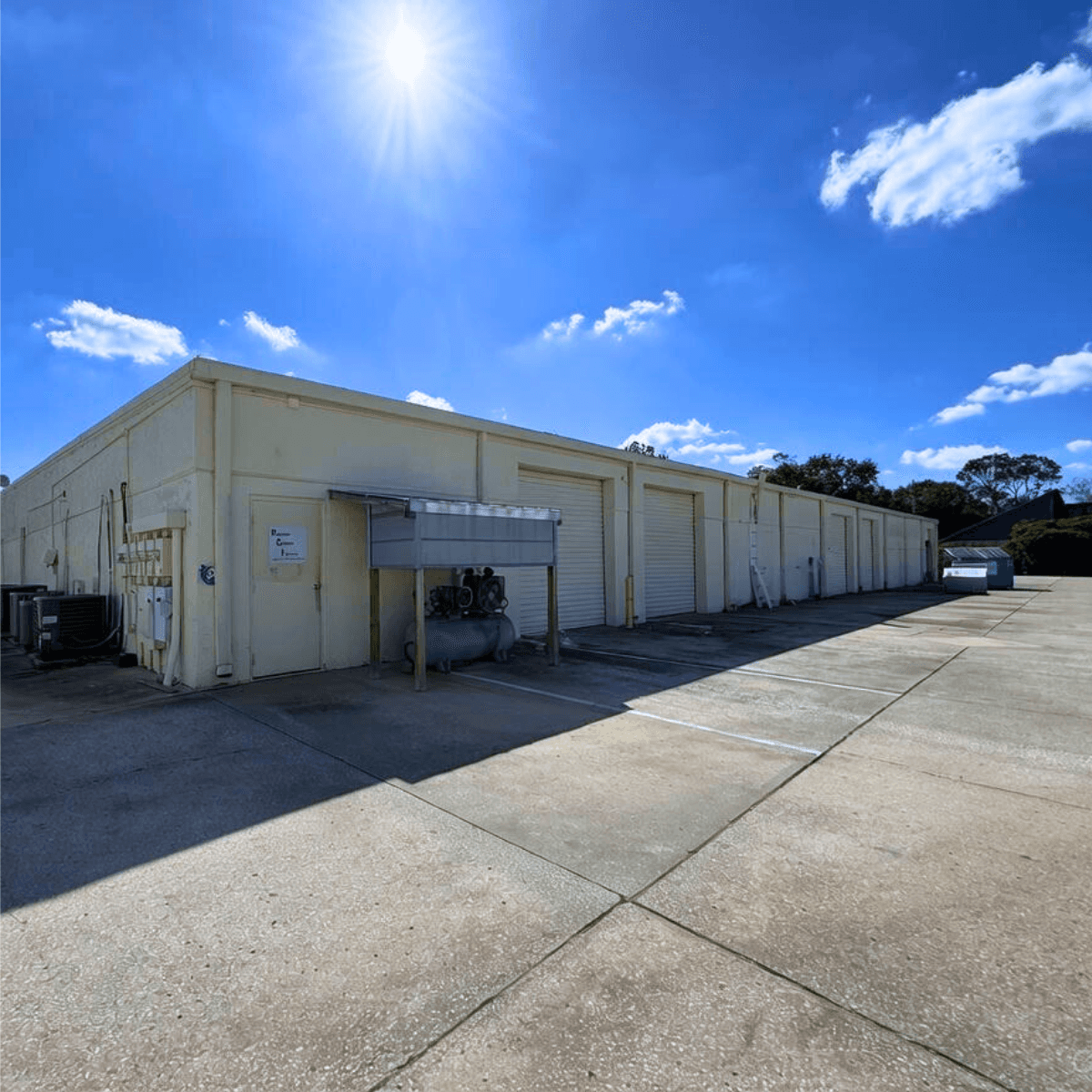
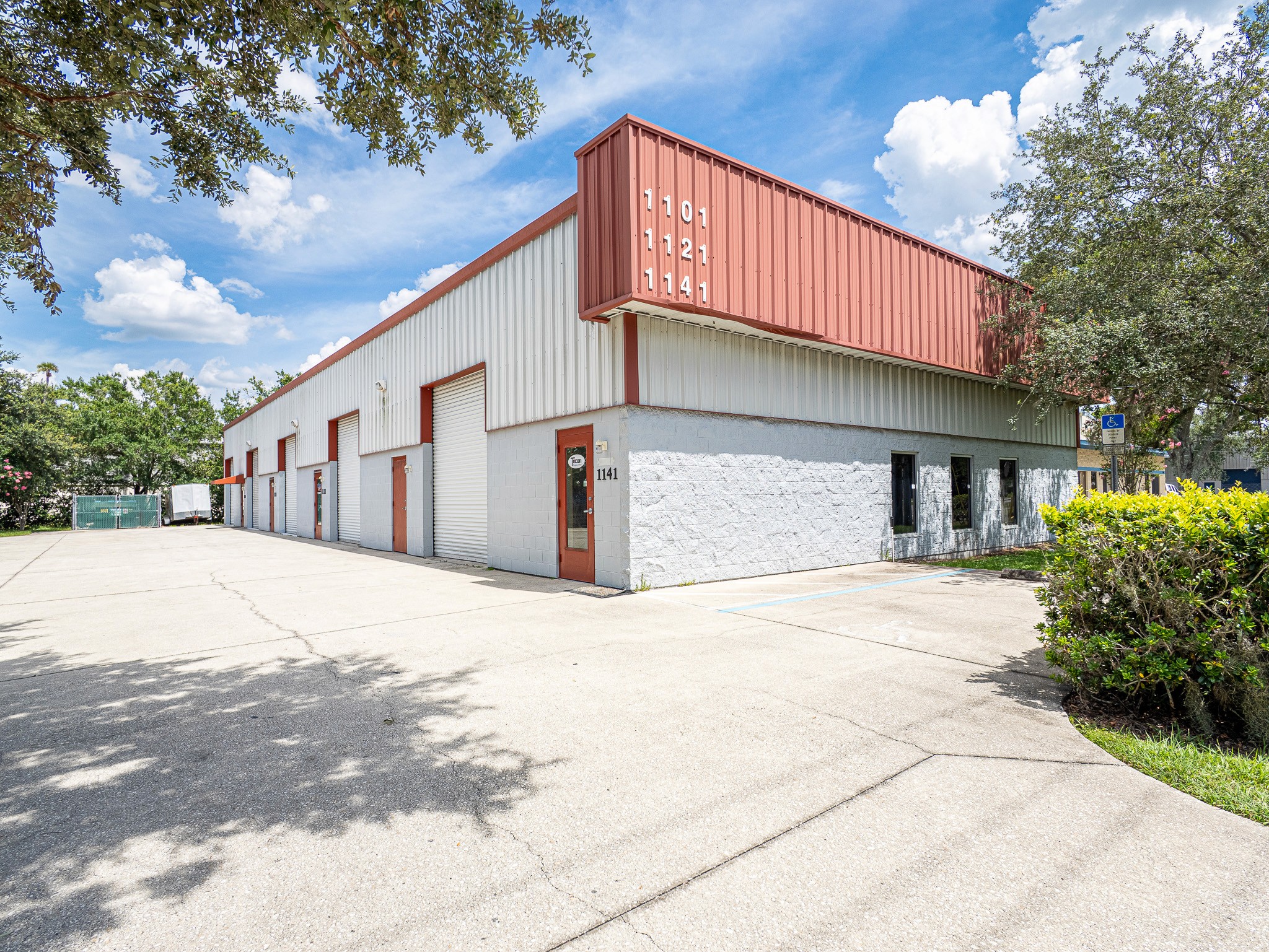
We recently valued a small-bay industrial property where the owner believed the asset was worth approximately $4.4M, supported by a nearby “comp” and a valuation completed six months prior.
On the surface, it made sense—same general location, similar size, both industrial, and comparable office % buildout.
But on closer inspection, it wasn’t actually comparable:
The “comp” had higher clear height
Superior loading and deeper truck court
Stronger tenant profile (regional vs. local)
Better access with full ingress/egress
When we underwrote the asset the way a buyer would:
Rents were adjusted to market
Downtime and lease-up costs were fully accounted for
A yield-on-cost framework was used to derive the appropriate cap rate
The resulting value range came in closer to $3.9M–$4.0M.
That’s a $400K–$500K gap… not from the market moving, but from how the asset was being interpreted.
That’s not market volatility. That’s mispricing.
Now flip that scenario.
With the right positioning, buyer targeting, and timing, there are also situations where value exceeds an owner’s expectations.
But you don’t uncover either outcome without a clear, current view of the market.
That’s what a BPO is designed to provide.
BPO vs. Appraisal (And Why It Matters)
These get confused constantly. They shouldn’t.
Appraisal → Built for lenders. Backward-looking. Designed to justify a number.
BPO → Built for you. Forward-looking. Designed to guide or inform an owner decision.
An appraisal tells a bank what can be supported if they have to take it over.
A BPO tells you what the highest-and-best buyer will pay.
What a Quality BPO Should Tell You
A real BPO doesn’t give you a number and disappear.
It should show you:
A realistic value range, not a guess
How buyers are likely to view your deal
Where you may be leaving money on the table
What’s helping or hurting your value (and how to fix it)
And most importantly:
What your next move should be based on your goals.
When You Should Actually Get One
You don’t need a BPO every year. But you should get one—or update it—when:
You’re considering selling in the next 6–24 months
Leasing activity has changed your income profile
Market conditions have shifted (rents, rates, demand, supply)
You haven’t revisited value in 12+ months
Industrial moves fast. Waiting too long—or relying on the wrong data—is how owners leave 10–20% on the table.
The Bottom Line
This isn’t about getting a number. It’s about getting it right.
Because the real risk isn’t selling too early or holding too long.
It’s making a decision based on the wrong value.
A Broker Price Opinion shows you exactly where you stand in today’s market—so when you move, you’re not reacting.
But instead positioned to maximize your price.
Get Clarity Before You Decide
If you’re even considering selling—or simply want to understand where your property stands in today’s market—a Broker Price Opinion is the right place to start.
No pressure. No obligation. Just a clear, market-driven view of where you stand—and what to do next.
Knowing your value is one thing.
Knowing how buyers will underwrite your deal is where the advantage is.
In the next article, we break down exactly how sophisticated buyers evaluate industrial assets—and why that framework often leads to very different conclusions than most owners expect.
Share this article
More Posts